
Viewfinder Properties
One of the things I love most about vintage buildings is their original hardwood floors. There’s something special about the warmth, character, and history of wood that’s been in a building for 80 or even 100 years. That’s why finding ways to remove dark stains from hardwood floors without replacing the original wood is so important to me.
But with age comes wear, and sometimes that includes dark stains that seem impossible to remove. As a property manager specializing in vintage Los Angeles buildings, I’m always looking for ways to preserve original materials rather than replace them. That’s what led me to experiment with oxalic acid as a treatment for dark stains in hardwood flooring.
I wanted to see whether I could improve the appearance of stained wood without having to replace otherwise beautiful original flooring—or refinish an entire floor unnecessarily.
What Causes Dark Stains in Hardwood Floors?
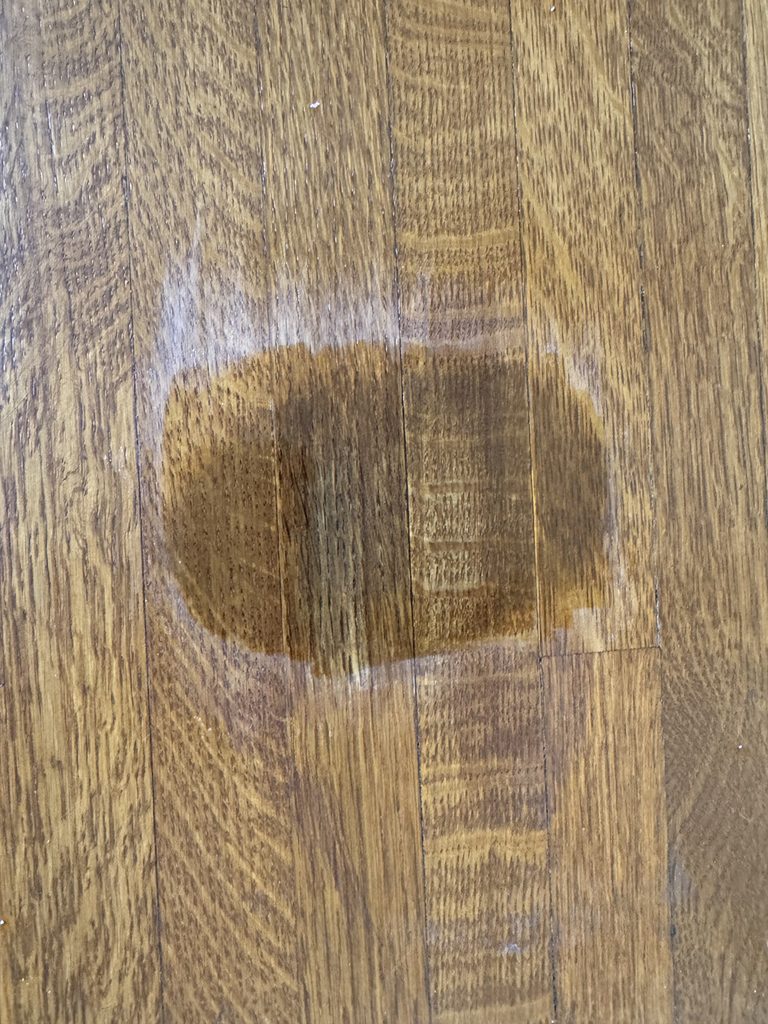
If you’ve spent any time around older hardwood floors, you’ve probably seen those dark gray or almost black stains that can appear in certain areas. These stains can come from pet urine, water damage, moisture trapped beneath furniture or rugs, or chemical reactions involving iron and natural tannins in the wood.
In vintage properties, these stains can be especially frustrating because the surrounding hardwood may still be in excellent condition. Replacing individual boards isn’t always simple: older flooring has a particular grain, color, width, and patina that’s difficult to match.
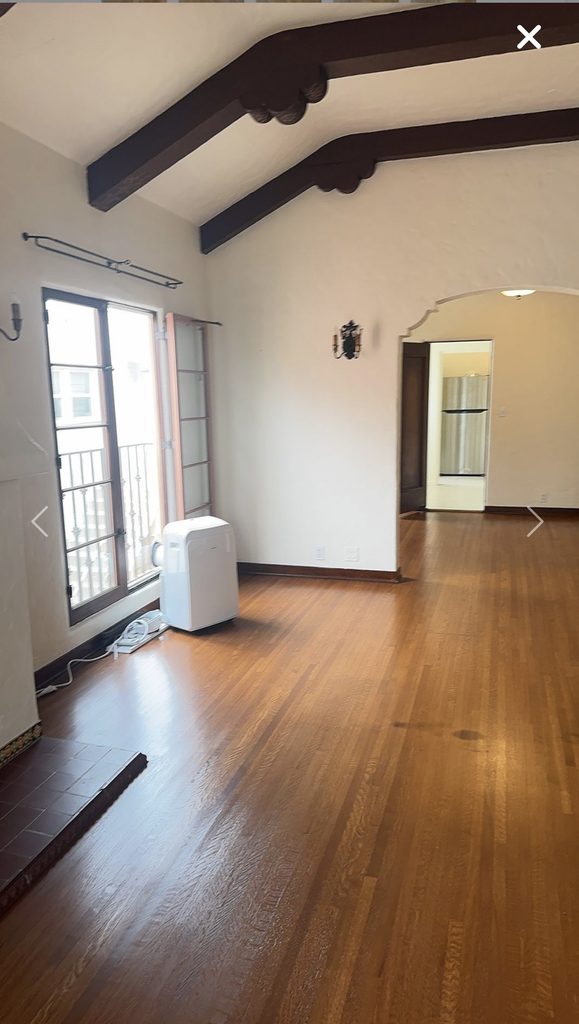
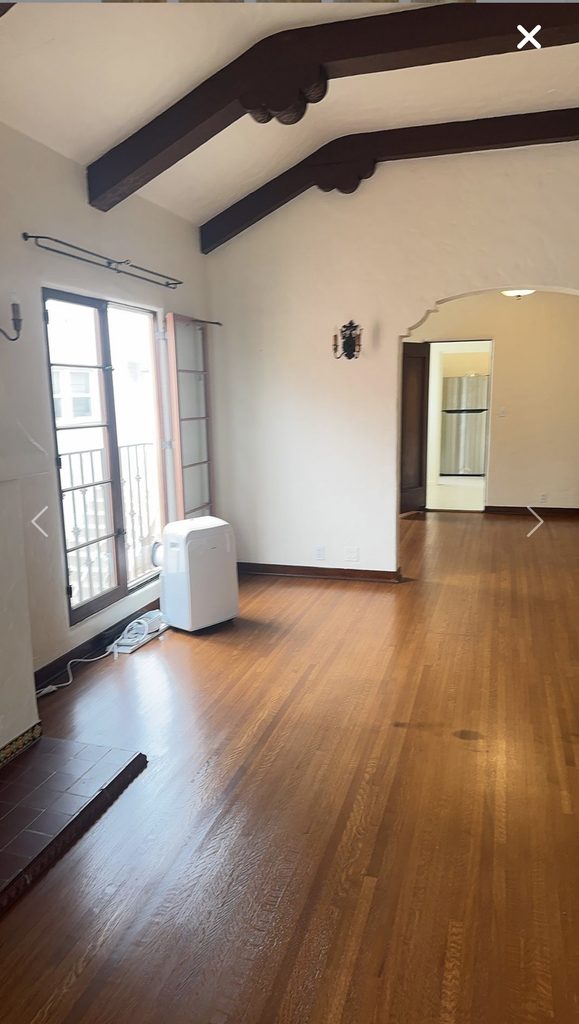
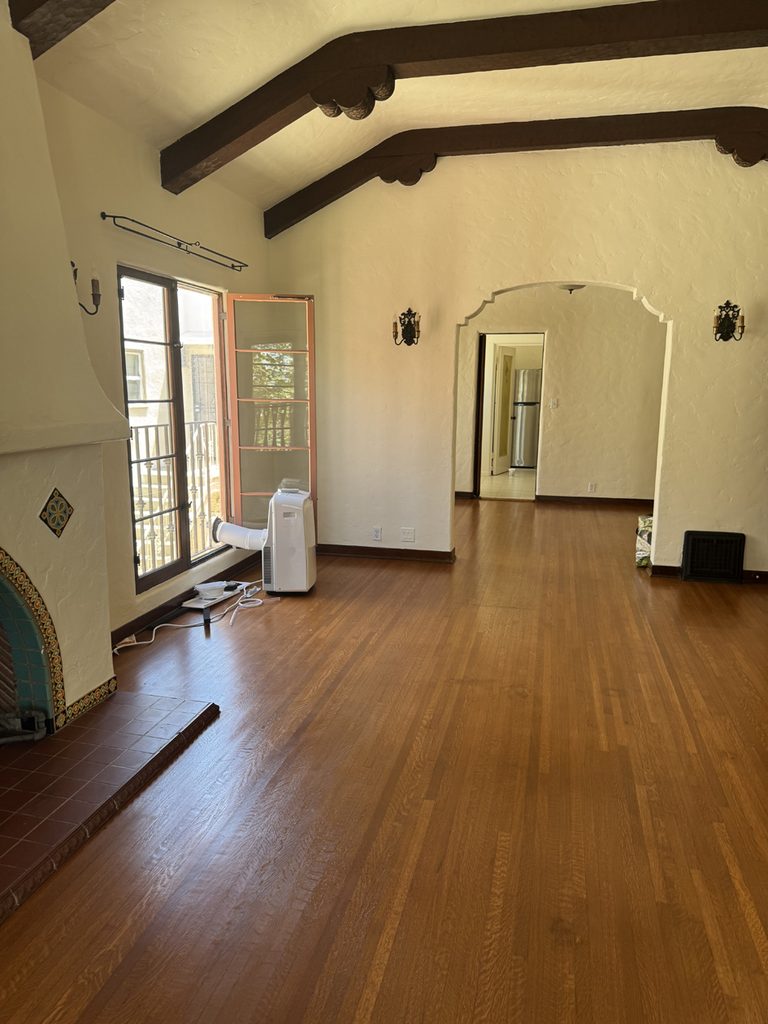
In the situation that led me to try oxalic acid, the floors had been refinished only a few years earlier. A tenant left several dark stains in the middle of an otherwise pristine living room. Replacing boards or refinishing the whole floor would cost thousands of dollars—and every sanding removes another layer of wood that you can never put back.
Oxalic acid is a compound used in wood restoration to lighten certain kinds of dark discoloration, particularly some iron-related and water-associated staining. Unlike general wood bleaches, it can target specific discoloration without necessarily bleaching the whole board uniformly.
What Is Oxalic Acid?
It isn’t a miracle product. Deep pet urine contamination, extensive water damage, and stains that have penetrated far into the wood may respond poorly or only partially. Still, it can be a useful option to investigate before more invasive work.
My Experience Treating Dark Hardwood Floor Stains
I decided to explore oxalic acid because I wanted a practical way to improve the stains while preserving as much of the original flooring as possible. My approach to vintage buildings has always been to investigate restoration before deciding something needs to be replaced.
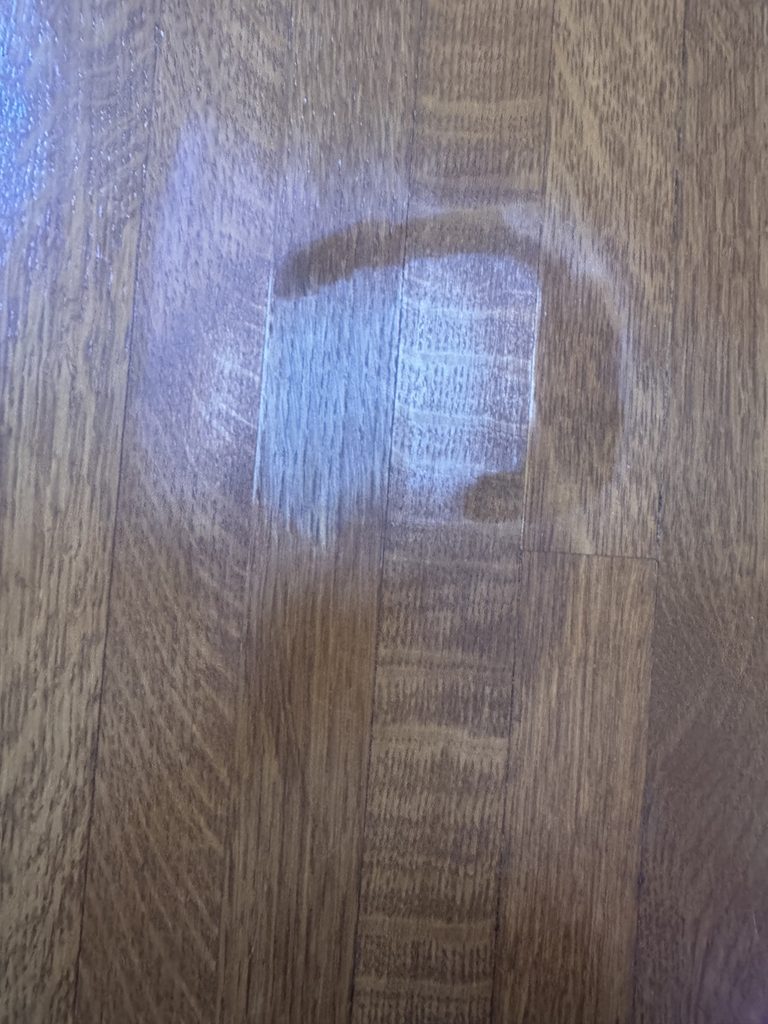
The stains didn’t disappear completely, but I was pleasantly surprised by how much less noticeable they became. The dark discoloration lightened enough that I could work on blending the affected areas back into the surrounding wood. The process took patience and experimentation, and each area responded a little differently.
How to Remove Dark Stains from Hardwood Floors with Oxalic Acid
Oxalic acid is generally used on bare wood. Polyurethane, wax, or other existing finishes can prevent the treatment from reaching the stain, so the finish may need to be carefully removed in a limited area. The stain should be assessed and a small test performed first.
Follow the product manufacturer’s instructions for preparation, application, protective equipment, ventilation, cleanup, and drying. Oxalic acid is hazardous; avoid contact with skin and eyes and avoid inhaling dust. Never mix it with other cleaning chemicals.
More than one treatment may be needed. After the treated area is properly cleaned and completely dry, matching the surrounding floor can require adding some of the original stain color and applying a compatible polyurethane topcoat. Even then, the repaired area may still look different up close.
The Results: Improvement, Not Perfection
I’ve found that oxalic acid can lighten a very dark stain enough that it blends much better with the surrounding wood. From across the room, the discoloration can become considerably less noticeable, even though you may still see it when you look closely. For me, that’s a worthwhile improvement.
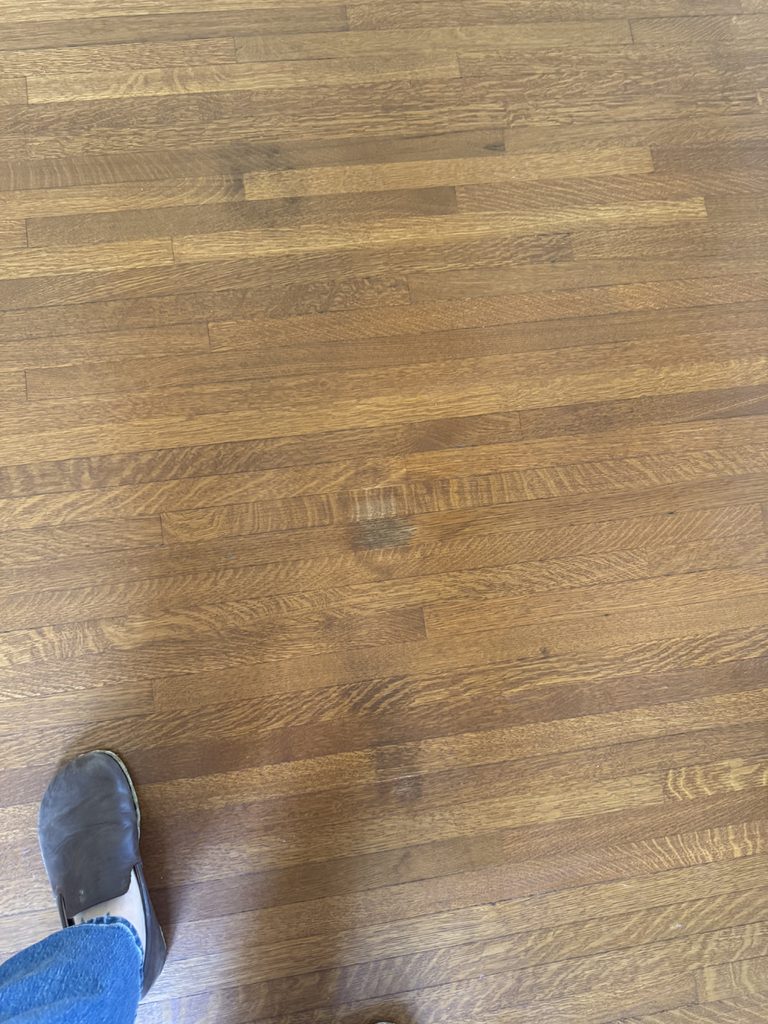
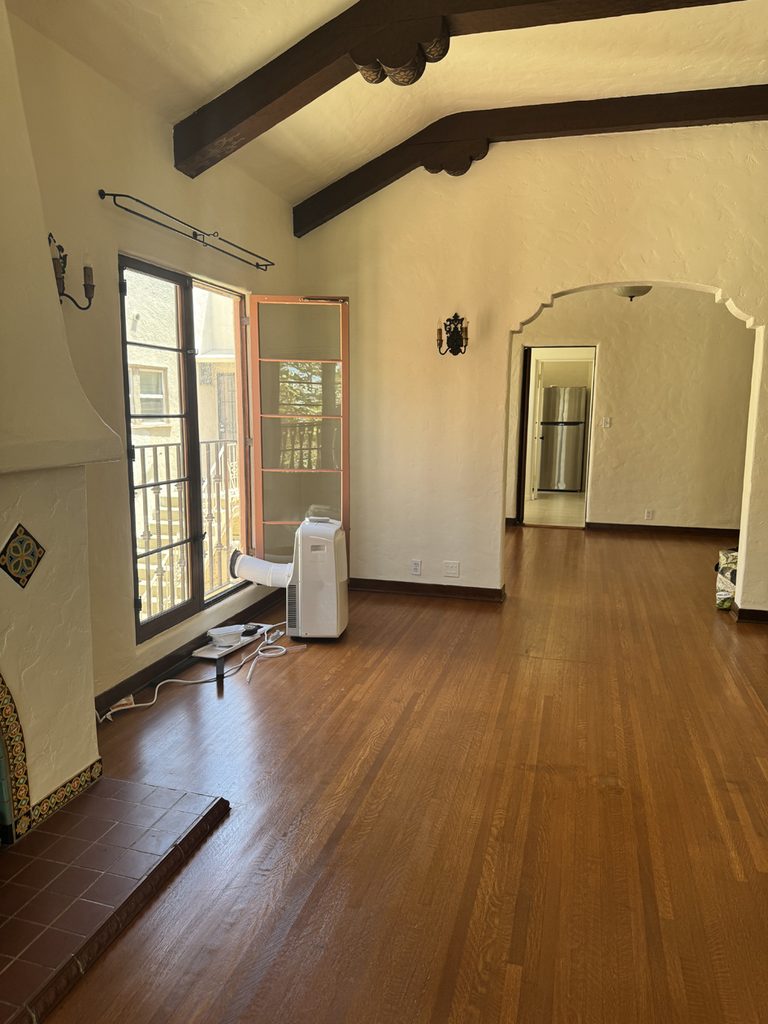
It isn’t a perfect fix, but it can make the difference between a stain that immediately catches your eye and one that simply becomes part of the natural variation in an older wood floor. I’m glad to have this technique in my restoration arsenal.
Why Preservation Matters
One of the biggest mistakes I see with vintage properties is assuming that anything old, worn, or damaged should automatically be replaced. Many older floors were made from high-quality lumber with characteristics that are difficult or expensive to reproduce today.
A dark stain doesn’t necessarily mean a floor has reached the end of its useful life. And it doesn’t always mean you need to sand and refinish the entire floor again, particularly if you’ve only recently done so. Every sanding uses up some of the floor’s remaining life.
Sometimes the best solution is a careful repair, sometimes it is refinishing, and sometimes it is accepting a little imperfection as part of the building’s character. And yes, sometimes replacement is necessary. The important thing is making that decision thoughtfully.
Would I Recommend Oxalic Acid?
Absolutely, for the right stain—but don’t expect miracles. If you’re trying to remove dark stains from hardwood floors, oxalic acid is worth considering. I’ve been pleasantly surprised by its effectiveness, but it may not completely remove a stain, especially a large or deep one. It can sometimes make the discoloration blend more naturally into the surrounding wood.
It’s important to identify and resolve any active moisture problem first. For valuable original floors or extensive work, an experienced floor restoration professional is often the best resource. But for a few smaller stains on otherwise excellent flooring, exploring a carefully tested localized treatment may be worthwhile before committing to a major refinishing project.
What I appreciate most is having another option between living with significant damage and tearing out something original.
Every Building Has a Story
At Viewfinder Properties, I believe managing vintage buildings means understanding what makes them special. It’s about recognizing the materials, craftsmanship, and architectural details that give a building its identity. Original hardwood floors are part of that story, and whenever we can preserve them responsibly, I think it’s worth the effort.
Vintage properties thoughtfully managed.
Viewfinder Properties specializes in the management and preservation of vintage residential buildings in Los Angeles.